
About me
Me, in six small boxes
The résumé is further down this page. These are the smaller things — my kids, my friends, the places I go, and the way I like to think.
Mom of two
Both in WCSD elementary.
I adore kids
Not just the two at home.
Lifelong learner
I love failure. It taught me to learn.
Independent thinker
I listen to both sides, then decide.
Friends & far places
My two favorite resets.
A committed yogi
Where I practice patience.
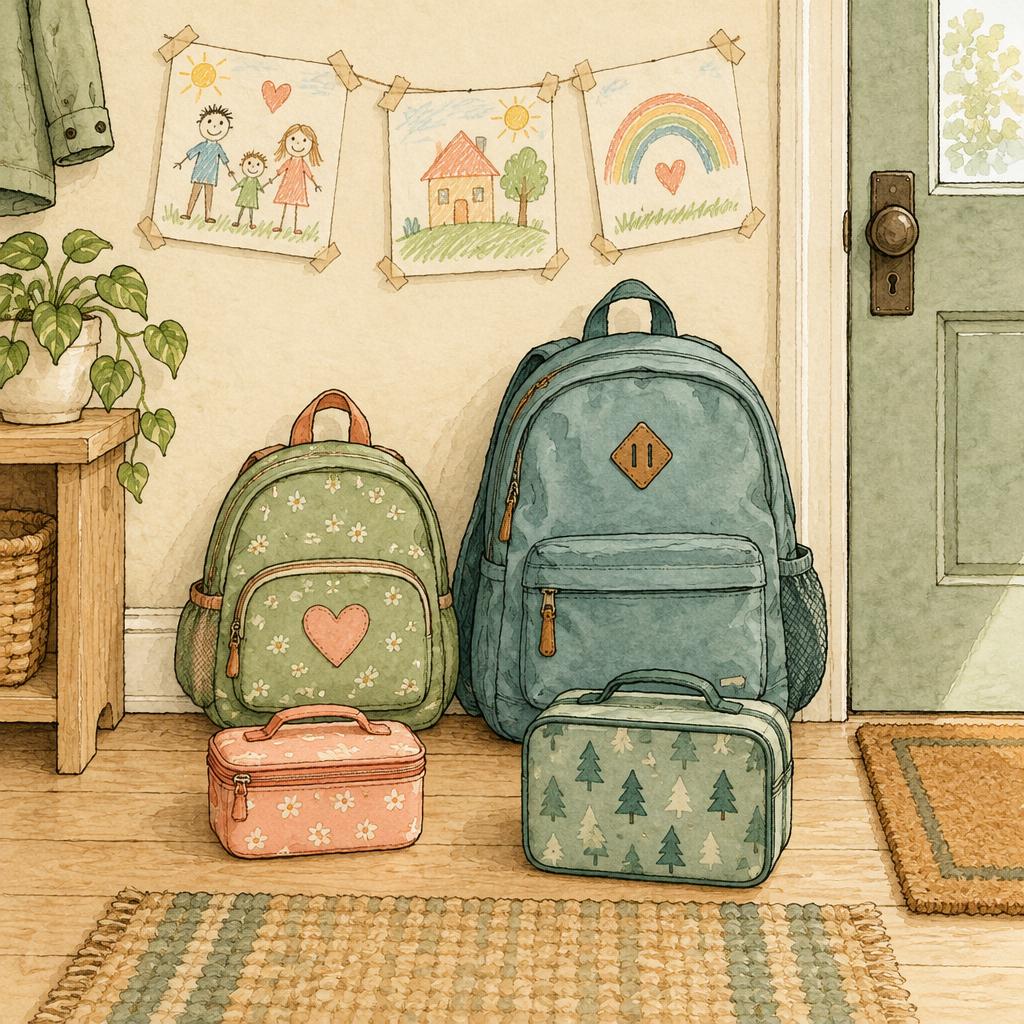
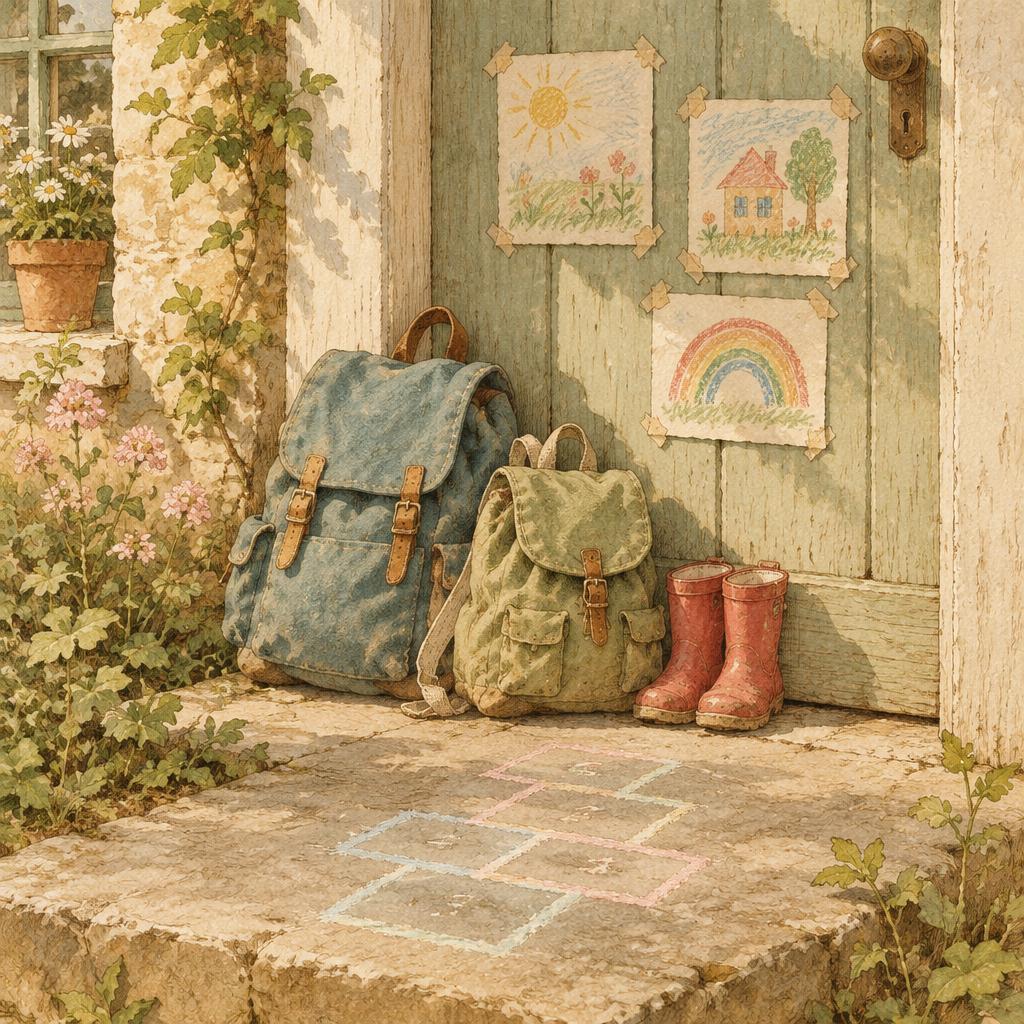




In the thick of it
This is close to home
When people talk about reading, screens, recess, teacher support, mental health, school money, or what AI means for kids, I am not watching from a distance. Those conversations happen in my own kitchen. These are the years when confidence, curiosity, reading, math, friendships, and independence take shape, so the questions feel urgent to me in the same way they do to many families here.
Looking for clear answers is how this website started. I began sharing what I found before Election Day because families should not have to chase basic information about their public schools.
“You shouldn't need a degree in education policy to understand what's happening in your neighborhood school.”
Mom first
Being a mom comes first. Whatever else is going on that day, I am there for pickup, dinner, and bedtime. That time is not squeezed in around the rest of my life. The rest of my life is built around it, and it is why I care so much about getting this right for every family, not only mine.
“Good public schools are what let a parent show up fully at home and still build something outside the house.”
I want that for every family here, not just mine.
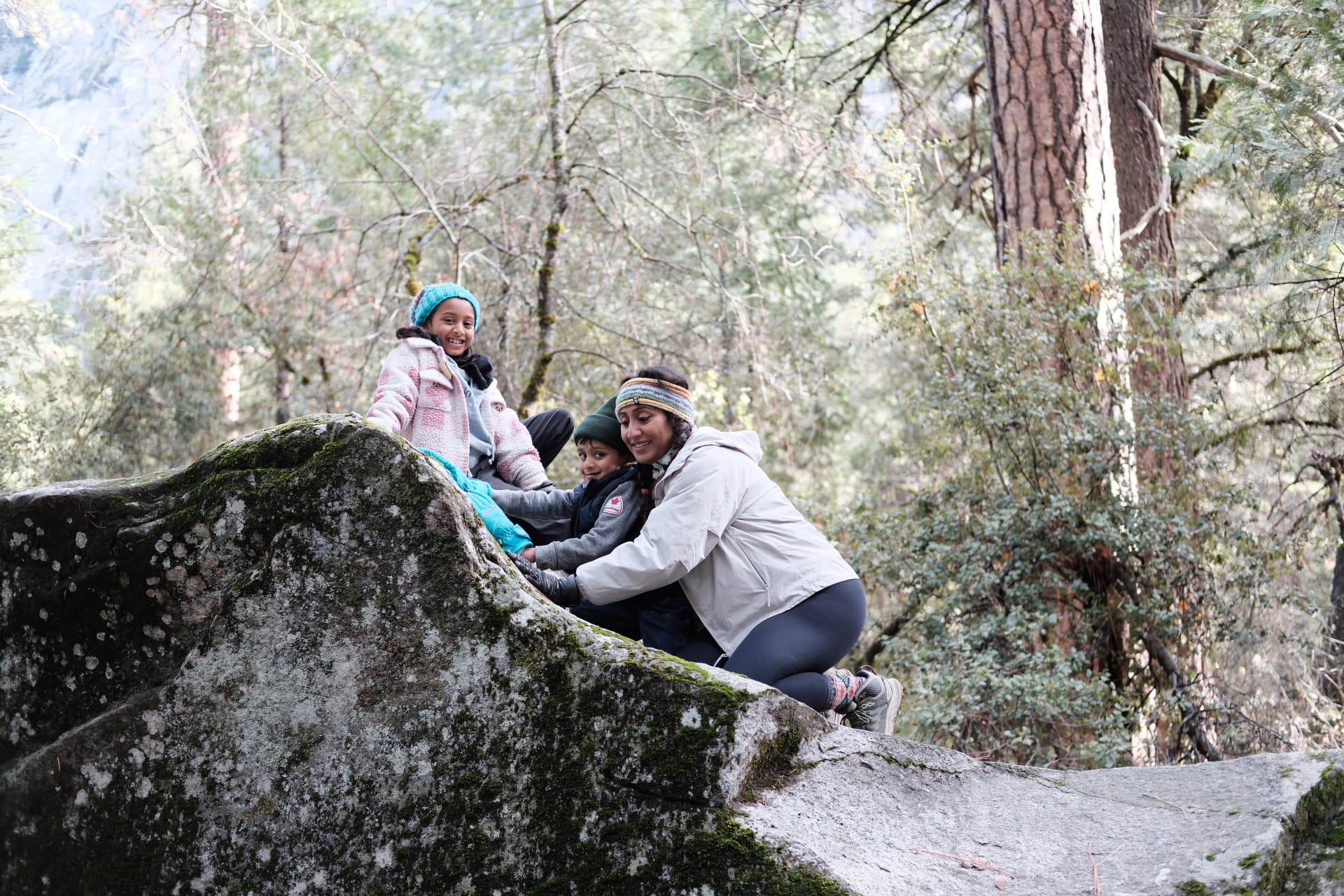
These years do not come back
Elementary school is a short window. Reading, math, confidence, curiosity, friendships, and a healthy relationship with screens all begin taking shape now. There is no later version of fourth grade in which a child can simply redo the foundation. When that foundation is missed, the child carries the burden of catching up.
That is why I started asking ordinary questions. How is reading taught here? What happens when a child falls behind? Where does the money go? Are teachers given the support they need? The questions were simple, but the answers were often difficult to find and harder to understand. If I am asking these questions at my kitchen table, I know other families are asking them at theirs.
Why public school
Public education changed the course of my life, and it is why I want to give back to public schools. The same pull toward service and solving difficult human problems eventually took me into health technology.
Public school never let me choose who sat next to me. I grew up alongside children who did not look like me, think like me, or share my background, and I had to learn from them anyway. That experience taught me to stay curious about people I did not immediately understand instead of tuning them out.
Science strengthened the same instinct. Progress often begins when an experiment fails and someone is curious enough to ask why. Public education helped build my commitment to critical thinking, independent thought, and learning how to learn. Sustaining those opportunities also requires honest choices about funding, class sizes, teacher support, and programs. Understanding those choices and making them easier for the community to follow are central reasons I am running for the board.
Experience for decisions that are not easy
I began my journalism career at CNN Health and later worked as a local television reporter. Journalism taught me to ask difficult questions, check the facts, and explain complicated issues in plain English.

My engineering and economics training at Georgia Tech shaped the other half of how I work. It was an intense program — it taught me to break a complicated problem apart, follow the numbers, and stay calm under pressure: understand the people affected, examine how the system works, and use evidence to determine what will actually help.
Building mental health care in the middle of a crisis
What this means for a school board: when the need is urgent and resources are strained, you move quickly, protect quality, and keep the judgment of the professionals doing the work at the center.
The pandemic brought a sudden mental-health crisis. People were isolated and struggling, demand for care was surging, and therapists and psychiatrists were already in short supply. At that same moment, Livongo and Teladoc were completing an $18.5 billion merger.
In the middle of all that, I led the team building a mental-health app. We were not preparing for some future need. People needed help right then. Even as our organization was changing around us, we had to move quickly, protect the quality of care, and avoid placing even more pressure on already-stretched providers.
We built a program that met people where they were: immediate digital support first, with therapy or psychiatry added as their needs changed. Technology helped us reach more people, but it did not replace the expertise of the professionals providing care.
Leading turnaround work while protecting professional judgment
What this means for a school board: set direction, oversee resources, and ask whether the system is working — while respecting the professional judgment of teachers.
At 23andMe, I served as the general manager and product leader for its telemedicine business while the company was restructuring. I was responsible for the business line and its financial performance, and of course the actual telemedicine software solution powered by real clinicians. I led the work to reduce costs, simplify operations and make some really tough decisions.
Those decisions affected real people. We needed to look from the inside out to enable a sustainable operating model while listening to the needs of each other. These were the moments I listened more than I spoke. On top of that, the folks providing the care, our clinicians, wanted to retain their independence to decide what was right for their patients.
Making care financially sustainable
What this means for a school board: every budget is a set of trade-offs. The work is finding savings without cutting what actually serves people.
At Walmart Health, I worked on affordable virtual care within complicated healthcare rules and the tangle of how care gets paid for. We examined where technology and AI could reduce repetitive work and lower the cost of providing different types of visits, while preserving the decisions that required a clinician's judgment. The work required understanding both what made care effective and what made the operating model sustainable.
Leading responsibly in the age of AI
What this means for a school board: technology can save time and money only if the safeguards that protect people stay intact — in schools, that means student privacy and teacher judgment come first.
Today, I lead a major initiative changing how a global biopharmaceutical company's U.S. commercial organization creates, reviews, and manages content. I am helping redesign that process to reduce duplicative work, control costs, and apply AI responsibly. Every change must meet rigorous legal, medical, and regulatory requirements, so improvement cannot come at the expense of the safeguards that protect people.
Turning advice into action
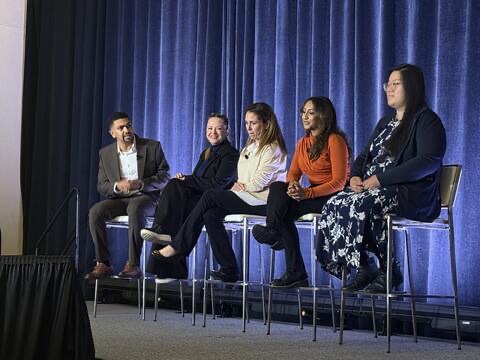
I also work with biotechnology executives and boards to turn complex science, software, and data into useful products and sustainable businesses. As a product and go-to-market adviser to a venture-capital firm, I help teams decide what to build, how to bring it to customers, and what it will take to deliver. My work continues beyond recommendations and into implementation.
What I hope to contribute
I would not come to the board assuming that experience in healthcare and technology gives me all the answers about education. There is a great deal I would need to learn from teachers, school leaders, families, students, and fellow board members.
What I hope to contribute is a willingness to do the homework, ask thoughtful questions, make complicated information easier to understand, and change my mind when the evidence or the people closest to the work show me something I missed. Our schools reflect years of care and effort from this community, and I would be grateful for the opportunity to listen, learn, and contribute alongside the people who have made them what they are.
So what would I actually work on?
Honest answers, and a plain note about the trade-offs.